
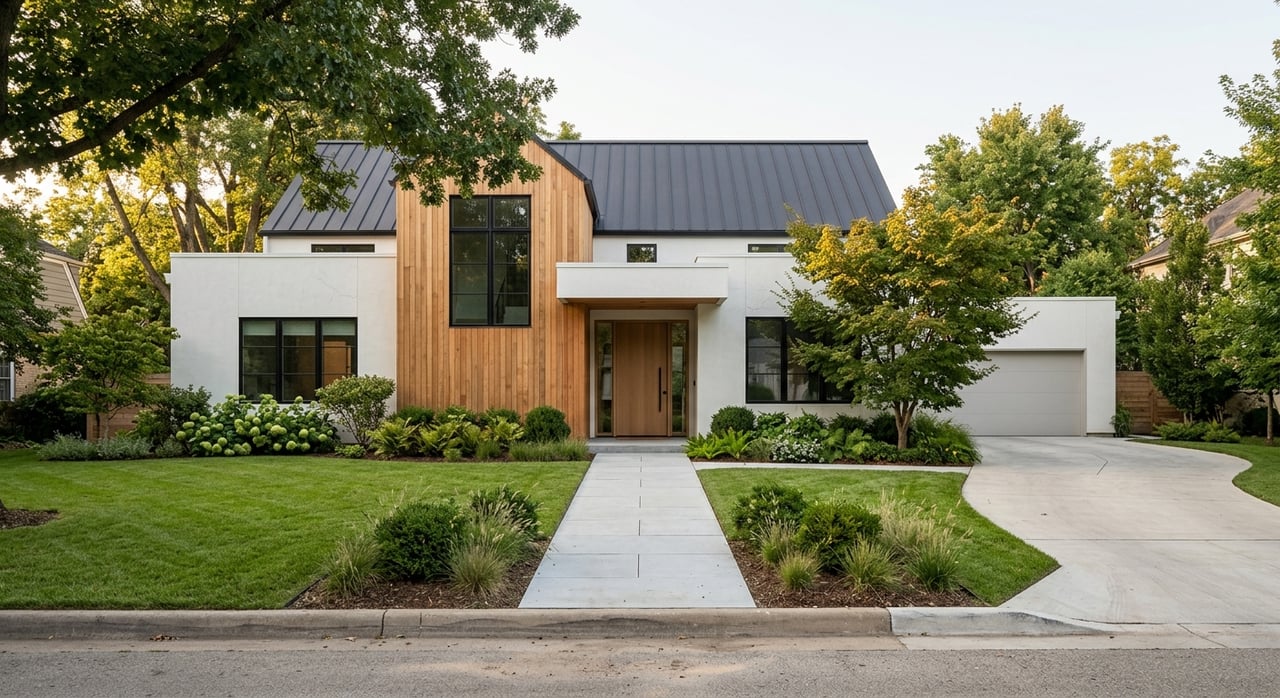
If you are trying to picture what daily life in Sunnyvale really feels like, the answer is not just about commute times or home prices. It is about whether your week can flow easily, from grabbing coffee or dinner downtown to spending time in a park, catching a train, or running errands without crossing half the Valley. If you are exploring a move, comparing neighborhoods, or simply narrowing your search, Sunnyvale offers a practical mix of convenience, outdoor space, and access. Let’s take a closer look.
Downtown life in Sunnyvale
Sunnyvale’s downtown centers on Historic Murphy Avenue and the broader CityLine/Town Center area, which the city describes as a mixed-use core with dining, retail, residential, office, and entertainment uses. That matters for everyday life because it gives you a defined place to go for routine needs, not just special occasions. In many Silicon Valley cities, downtown can feel limited, but Sunnyvale has a more active central hub.
Murphy Avenue is the historic dining and entertainment corridor, and the city says the 100 block is being converted into a pedestrian mall. The stretch between West Washington and West Evelyn avenues is currently closed to vehicles, which supports a more walkable, outdoor-focused setting. You can read more on the city’s downtown development page.
That walkability is even more useful because the Sunnyvale Caltrain station opens directly onto Murphy Avenue. If you commute by rail or want the option to, downtown living can support a routine where transit, dining, and errands are close together. For buyers weighing car dependence against flexibility, that is a meaningful part of Sunnyvale’s appeal.
CityLine adds daily convenience
CityLine is another key piece of the downtown experience. The city describes it as a 36-acre project in the heart of downtown with office, residential, retail, dining, and entertainment uses, including current or planned tenants such as Whole Foods, AMC, Pacific Catch, Urban Plates, ULTA Beauty, and Xfinity. In simple terms, that gives downtown more of an all-in-one feel.
For everyday living, that can mean fewer separate trips across town. Grocery shopping, dinner plans, a movie, or basic errands may fit into the same area. That kind of convenience often becomes more valuable after move-in than it first appears during a home search.
Murphy Avenue feels like a routine stop
Sunnyvale’s downtown also benefits from regular community activity. The Sunnyvale Farmers’ Market is held on Murphy Avenue and is listed by the city as open year-round, rain or shine. That steady rhythm helps downtown function as part of weekly life rather than just a place you visit once in a while.
For many buyers, that is the difference between a city with amenities and a city with a real routine. When a downtown supports groceries, dining, transit access, and recurring public activity, it tends to feel more integrated into daily living.
Parks and trails shape the pace
Sunnyvale is not only about offices and transit. The city says it has 772 acres of parks and open space, with many parks offering picnic areas, playgrounds, and sports facilities. Its trail system also links parks, schools, creeks, neighboring communities, and the Bay shoreline, according to the city’s parks and trails overview.
That network gives the city a more livable feel day to day. Instead of relying on one standout park, Sunnyvale offers a broader system that can support morning walks, bike rides, recreation, and casual outdoor time throughout the week.
The greenbelt is a practical connector
One of the most useful features is the John W. Christian Greenbelt, a 2.7-mile route across the city for pedestrians and bicyclists. It works as both recreation space and a practical connector. Depending on where you live, it can shape how you move between parks, nearby destinations, and different parts of the city.
That matters when you are evaluating a neighborhood beyond the home itself. Access to a connected walking and biking route can make daily life feel easier and less car-dependent, even in a larger suburban setting.
Baylands Park expands outdoor options
If you want larger-scale outdoor space, Baylands Park is one of Sunnyvale’s signature destinations. The city says it includes more than 70 acres of developed parkland and 105 acres of seasonal wetlands preserve, along with pathways, picnic areas, hiking, biking, and access to the San Francisco Bay Trail.
For residents, that creates another layer of lifestyle flexibility. You have neighborhood parks for convenience, but also a larger destination for longer walks, bike rides, or weekend outdoor time.
Community life goes beyond the parks
A city can have good parks and still feel disconnected. Sunnyvale adds civic spaces and recurring events that help create a stronger sense of daily community life.
The Sunnyvale Community Center is a good example. It includes performing and creative arts centers, indoor sports and recreation buildings, a senior center, and the Sunnyvale Heritage Park Museum, all arranged around a pond and fruit orchards. That kind of civic hub can matter if you want a city with more than just residential blocks and office campuses.
The city also points to neighborhood associations as a way for residents to meet neighbors, build community pride, and stay engaged locally. In addition, the city’s special events and calendar listings include programs such as the Earth Day Festival, Sunset Movie Series, Hands on the Arts Festival, storytimes, gardening workshops, yoga, ESL groups, and youth sports. For a buyer, this is useful context because it shows how community activity extends beyond downtown.
Commutes and transit are a major advantage
Sunnyvale stands out because it combines residential areas with a strong commute infrastructure. If you work elsewhere on the Peninsula, in San Jose, or within Sunnyvale itself, the city offers several ways to get around.
VTA serves Sunnyvale with bus, light rail, and paratransit, and the Sunnyvale Transit Center connects to Caltrain. The station page lists 439 parking spaces, 74 bicycle lockers, and wheelchair boarding. That makes it a practical multimodal hub if your routine involves driving to transit, biking to the station, or mixing travel options.
Regional connections support flexibility
VTA’s route system includes direct connections that matter for Sunnyvale residents, such as Route 20 between Milpitas BART and Sunnyvale Transit Center, Route 53 between Sunnyvale Transit Center and Santa Clara Transit Center, and express routes serving Stanford Research Park. Combined with Caltrain access, that gives residents more than one path for regional travel.
Sunnyvale also has a strong local job base. The city’s community and business profile lists major employers such as Google, Apple, Amazon, Intuitive Surgical, Lockheed Martin, Walmart, Meta, Synopsys, Applied Materials, Fortinet, and Cepheid. For many households, that means Sunnyvale can work both as a home base and as a place close to employment centers.
According to Census QuickFacts, the mean travel time to work for Sunnyvale workers is 23.0 minutes. While every commute depends on your exact destination and schedule, that number adds context to Sunnyvale’s reputation as a practical location for Silicon Valley routines.
Housing options are varied
Sunnyvale is not a one-style housing market. The city’s planning and housing materials reference single-family homes, duplexes, accessory dwelling units, apartments, condominiums, and townhomes, which points to a broader mix of housing types than some nearby markets. That can be helpful whether you are buying your first home, relocating for work, or looking for a lower-maintenance option.
The city’s 2023-2031 Housing Element, adopted in December 2023 and certified by the state in March 2024, also shows that housing planning is active and current. From a buyer’s perspective, that is useful because it signals an evolving market rather than a static one.
Cost is part of the picture
Sunnyvale is still a high-cost market, and it helps to go in with clear expectations. Census QuickFacts reports an owner-occupied housing unit rate of 43.8%, a median owner-occupied housing value of $1,801,800, and a median gross rent of $3,039. Those figures reflect a city with both ownership and rental demand in a competitive Silicon Valley setting.
The city also offers Below Market Rate and Affordable Rental Units programs for qualifying lower-income residents. Even if those programs do not apply to your situation, they help illustrate that Sunnyvale’s housing ladder includes multiple paths and price points.
What buyers should keep in mind
If you are early in your search, Sunnyvale can be appealing because it balances several priorities at once. You get a defined downtown, strong transit options, a broad parks system, and a housing mix that includes both attached and detached homes. That combination is not always easy to find in one Silicon Valley city.
At the same time, block-by-block differences can matter. The city’s zoning and permit guidance emphasizes the importance of verifying rules before buying, remodeling, or planning changes to a property. In a city with varied housing types and active development, the exact feel and future use of an area can differ more than you might expect.
That is where a more strategic home search helps. Instead of only comparing square footage or price, it is worth looking at how a location supports your actual routine, including parks, errands, train access, commute patterns, and the kind of neighborhood setting you want.
If you are considering a move in Sunnyvale or elsewhere in Silicon Valley, The ReSolve Group can help you evaluate not just the property, but how the location fits the way you want to live.
FAQs
What is daily life like in Sunnyvale, California?
- Sunnyvale offers a mix of walkable downtown activity, city parks, trails, community programming, and strong transit connections, which can make everyday routines feel convenient and flexible.
What is downtown Sunnyvale known for?
- Downtown Sunnyvale is centered on Historic Murphy Avenue and the CityLine/Town Center area, with dining, retail, entertainment, and direct access to the Sunnyvale Caltrain station.
Are there good parks and trails in Sunnyvale?
- Yes. The city reports 772 acres of parks and open space, along with trails that connect parks, creeks, neighboring communities, and the Bay shoreline.
Is Sunnyvale good for commuting in Silicon Valley?
- Sunnyvale has strong commute infrastructure through Caltrain, VTA bus and light rail service, and regional route connections, making it a practical home base for many Silicon Valley workers.
What types of homes can you find in Sunnyvale?
- Sunnyvale includes a mix of single-family homes, duplexes, ADUs, apartments, condominiums, and townhomes, which gives buyers and renters several housing formats to consider.